
Breaking the silence: A closer look at men’s mental health

Mental health challenges affect people of all genders, ages, and backgrounds. However, when it comes to men, mental health remains a deeply stigmatised challenge especially in South Africa, where cultural norms, economic pressure, and societal expectations often silence the struggle. Despite growing awareness, men continue to face significant barriers to seeking help, resulting in alarming rates of suicide, substance abuse, and untreated mental illness. This blog post explores the unique landscape of men’s mental health in South Africa, unpacks the key challenges men face, and calls for a cultural shift that promotes open conversations, accessible care, and holistic wellbeing. In South Africa, the statistics reflect a concerning trend: men are three to four times more likely to die by suicide than women, with many of these deaths linked to undiagnosed or untreated depression and anxiety (Jaffer, 2022). Suicide is among the leading causes of death for men under 45, yet mental health services remain underutilised by this group. The South African Depression and Anxiety Group (SADAG) reports that men are far less likely to access their helplines or walk into a counselling centre voluntarily. Many wait until they are in crisis—financially, emotionally, or physically—before seeking support, and some never do. Cultural pressures and the “man up” mentality At the heart of the challenge is a powerful cultural script: men must be strong, stoic, and in control. From a young age, boys in many South African households are taught to suppress emotion, avoid vulnerability, and “toughen up.” This expectation of emotional restraint becomes a barrier to expressing pain, fear, or distress in healthy ways. In black and coloured communities in particular, generational trauma, unemployment, violence, and historical inequality compound these pressures. According to a study by Shai & Sikweyiya (2015), men often internalise the belief that emotional expression is unmanly or weak—a view reinforced by peers, families, and sometimes even healthcare workers. Suppressed emotions often manifest as anger, aggression, or substance abuse. Others suffer quietly from depression, anxiety, or burnout, unable to name what they’re feeling or where to turn for help. Unemployment, masculinity, and mental health South Africa’s unemployment rate is one of the highest in the world, with young men among the hardest hit. Employment is not only a source of income but often tied to masculine identity, dignity, and social standing. The inability to provide can lead to feelings of shame, helplessness, and worthlessness. This economic stress, combined with a lack of social support structures, makes unemployed men more vulnerable to depression and risky coping behaviours. According to research published in the Journal of Psychiatry, joblessness in South African men is linked to increased alcohol use, relationship breakdowns, and even suicide ideation (Petersen et al., 2016). In rural communities, where mental health infrastructure is limited, these patterns are especially pronounced. There, stigma and limited resources often mean that men’s mental health struggles go completely unrecognised or are misdiagnosed. The impact of fatherhood and generational expectations Fatherhood is another layer that adds pressure to men’s mental wellbeing. In South Africa, more than 60% of children grow up without their biological fathers present in the home (Statistics South Africa, 2021). While much attention is paid to absent fathers, little is said about the emotional burdens borne by those who are present. Many men struggle with the weight of expectation—to be the provider, protector, and emotional anchor—often without any roadmap for navigating these roles healthily. Those who grew up without emotionally present fathers may lack examples of vulnerability and positive emotional expression. New fathers, in particular, are at risk of postnatal depression and anxiety, yet these conditions often go undiagnosed. A study by Massyn et al. (2020) found that men often mask these feelings with irritability, fatigue, or workaholism, further straining their mental and emotional resources. Substance abuse and risk-taking behaviour One of the most common ways South African men cope with psychological distress is through substance use. Alcohol, in particular, is widely normalised in male social groups and often used to numb emotional pain or disassociate from daily stressors. The World Health Organization (WHO) ranks South Africa among the top nations for alcohol consumption per capita. Substance abuse is not only a response to poor mental health but often exacerbates it, creating a cycle that is difficult to break without intervention. In more severe cases, unresolved trauma and poor emotional regulation can lead to violent behaviour or self-harm—both of which are symptoms of underlying mental health issues that have gone unaddressed. What needs to change? Challenge gender norms and language Mental health advocacy must begin by redefining masculinity. It’s vital to communicate that strength includes vulnerability, and that asking for help is a sign of self-awareness, not weakness. Campaigns like #RealMenTalk and BroTalkSA are already working to normalise these conversations among men in South Africa. Make mental health services accessible Services need to be affordable, culturally sensitive, and easily accessible—especially in rural and low-income areas. Mobile counselling services, workplace wellness programmes, and telehealth platforms can play a vital role in reaching more men. Promote peer support and safe spaces Men are often more comfortable opening up in peer-based environments. Group therapy sessions or men’s support circles led by trained facilitators can encourage connection and open dialogue. These spaces must prioritise confidentiality, cultural sensitivity, and practical tools for emotional regulation. Train health workers to recognise male depression Male depression may not always look like sadness. It can appear as anger, irritability, withdrawal, or high-risk behaviour. Primary care providers must be trained to recognise these signs and to offer trauma-informed, stigma-free support. Engage role models and influencers Public figures, sportsmen, and local leaders speaking openly about mental health can have a profound impact. When respected role models share their stories, it chips away at the silence and empowers others to do the same. The role of schools, workplaces, and families The earlier we teach boys emotional literacy, the better. Schools can incorporate mental wellbeing into Life Orientation curricula, giving young men language for their feelings and tools for emotional resilience. Counsellors
Motherhood isn’t always joyful: Why emotional support matters

Motherhood is often celebrated as one of life’s most meaningful roles—but the emotional realities that come with it are frequently overlooked. While becoming a mother can be deeply rewarding, it can also be overwhelming, isolating, and mentally taxing. Despite the common belief that maternal fulfilment comes naturally, research continues to highlight the psychological toll that caregiving responsibilities can take on mothers—especially during early parenthood. The hidden mental health toll of motherhood Studies have shown that a significant number of women experience mental health challenges during the perinatal and postpartum periods. In South Africa, postpartum depression (PPD) is estimated to affect between 16–35% of women, depending on socioeconomic conditions and access to support services. Common mental health challenges faced by mothers include: Emotional exhaustion and burnout Anxiety related to parenting roles and responsibilities Feelings of inadequacy or guilt Social isolation or lack of adult connection Loss of identity and changes in self-esteem These emotional pressures are often compounded by the “mental load”—the invisible cognitive labour involved in planning, remembering, and managing household or caregiving responsibilities. The role of peer-based emotional support Research shows that peer support groups—such as mother-specific therapy groups—can significantly improve emotional wellbeing. A 2023 study published in BMC Pregnancy and Childbirth found that mothers who participated in peer-based therapy or support groups experienced improved emotional resilience, reduced symptoms of anxiety and depression, and enhanced social connection. Key benefits of structured group therapy for mothers include: Normalisation of shared struggles – hearing from other mothers with similar challenges reduces shame and isolation Development of emotional coping tools – guided discussions often explore real-life strategies for managing stress Increased emotional literacy – mothers learn to identify, express, and regulate emotions more effectively Enhanced relational insight – therapy fosters reflection on personal, partner, and parent-child dynamics Importantly, these groups do not offer unsolicited advice or “fixes.” Rather, they create a space for women to be heard, understood, and validated in the complexity of their experience. Why open dialogue about maternal mental health is essential Despite growing awareness, many mothers still hesitate to speak openly about their emotional challenges. Cultural norms, fear of judgement, and misconceptions about “maternal instinct” often discourage women from voicing how they really feel. Healthcare experts emphasise that open conversations about maternal mental health—whether in therapy, support groups, or educational settings—are essential for early intervention and long-term wellbeing. Providing emotionally safe environments for these conversations to take place is not a luxury—it’s a public health necessity. Motherhood can be both beautiful and hard—these realities are not mutually exclusive. Support groups specifically designed for mothers are not about venting or comparing parenting styles—they are a structured, evidence-based response to the emotional challenges many mothers face. These spaces foster self-reflection, connection, and the opportunity to engage with mental health meaningfully and without judgement. When mothers are emotionally supported, it doesn’t just benefit them—it positively influences the wellbeing of their children, families, and communities. References Kingston, D., et al. (2023). The role of peer support in maternal mental health: A qualitative study. BMC Pregnancy and Childbirth. https://bmcpregnancychildbirth.biomedcentral.com/articles/10.1186/s12884-022-04959-7 SADAG (2020). Postnatal Depression in South Africa. https://www.sadag.org/index.php?option=com_content&view=article&id=3018:living-with-pnd&catid=81&Itemid=132 Council for Relationships (2023). Benefits of Pregnancy and Postpartum Support Groups. https://councilforrelationships.org/benefits-of-pregnancy-and-postpartum-support-groups
How therapy facilitates emotional expression

“The curious paradox is that when I accept myself just as I am, then I can change.” — Carl Rogers Many individuals struggle with expressing their emotions, often suppressing feelings due to societal expectations, fear of judgment, or past experiences. This suppression can lead to various mental and physical health difficulties, including anxiety, depression, and stress-related ailments. Therapy offers a safe and supportive environment to explore and express these suppressed emotions, fostering emotional well-being and personal growth. Why we suppress emotions (and why it matters) Suppressing emotions is an unconscious defense mechanism where individuals avoid acknowledging distressing thoughts and feelings. While this might offer temporary relief, long-term repression can result in negative outcomes such as mood swings, sleep disturbances, and physical health problems. Research indicates that unresolved emotions can manifest in harmful ways, affecting overall well-being. Therapy as a pathway to emotional expression Therapy provides a confidential and non-judgmental space for individuals to explore their emotions. Through various therapeutic approaches, individuals can learn to identify, understand, and express their feelings effectively. Identifying suppressed emotions: Therapists assist clients in recognising emotions they may not be consciously aware of. Guided conversations and reflective exercises help individuals name and understand their feelings. Developing emotional regulation skills: Therapists teach techniques such as mindfulness, deep breathing, and grounding exercises to help clients process emotions safely and prevent overwhelm. Enhancing self-awareness: Therapy encourages self-exploration, allowing individuals to understand the root causes of their emotional suppression and develop healthier coping mechanisms. Benefits of emotional expression in therapy Expressing emotions within the therapeutic setting offers numerous benefits: Improved mental health: Acknowledging and processing emotions can reduce symptoms of anxiety and depression. Enhanced relationships: As individuals become more adept at expressing their emotions, they often experience better communication and deeper connections with others. Physical health benefits: Releasing suppressed emotions can alleviate physical symptoms associated with chronic stress, such as headaches and muscle tension. How therapy helps you find your voice Therapy is not about giving a perfect speech—it’s about learning to be honest. At your own pace. With your own words. Here is how therapy supports emotional expression: Here’s what finding your voice might look like, one step at a time: It creates a safe, non-judgmental space – You can speak freely without fear of criticism. It helps you name emotions – Your therapist can help you translate bodily sensations and vague discomfort into emotional language. It slows the process down – You’re not expected to dive in immediately. Silence is welcome, and trust is built gently. It helps you reframe self-expression – Emotions are no longer something to hide—they become tools for connection, healing, and growth. You don’t need to have all the answers. You just need a space where your words are allowed to take shape. Embracing emotional expression through therapy is a courageous step toward holistic well-being. By confronting and articulating suppressed emotions, individuals can experience profound personal growth, improved mental health, and more fulfilling relationships. Therapy serves as a guiding light on this journey, offering the tools and support necessary to find one’s authentic voice. If you feel ready to begin exploring your emotions in a safe, supportive space, we’re here to walk that journey with you. References: Positive Psychology. Repressing Emotions: Effects on Mental and Physical Health. Retrieved from: https://positivepsychology.com/repress-emotions/?utm_source=chatgpt.com Kansas Health System. Why Is Emotional Expression Important? Retrieved from: https://www.kansashealthsystem.com/health-resources/turning-point/programs/resilience-toolbox/emotional-expression/why-is-emotional-expression-important Insights Counselling Centre. How Trauma Leads to Emotional Repression—and How Therapy Can Help You Express Yourself. Retrieved from: https://www.insightscc.com/blog/how-trauma-leads-to-emotional-repressionand-how-therapy-can-help-you-express-yourself
The secret to thriving through life’s challenges
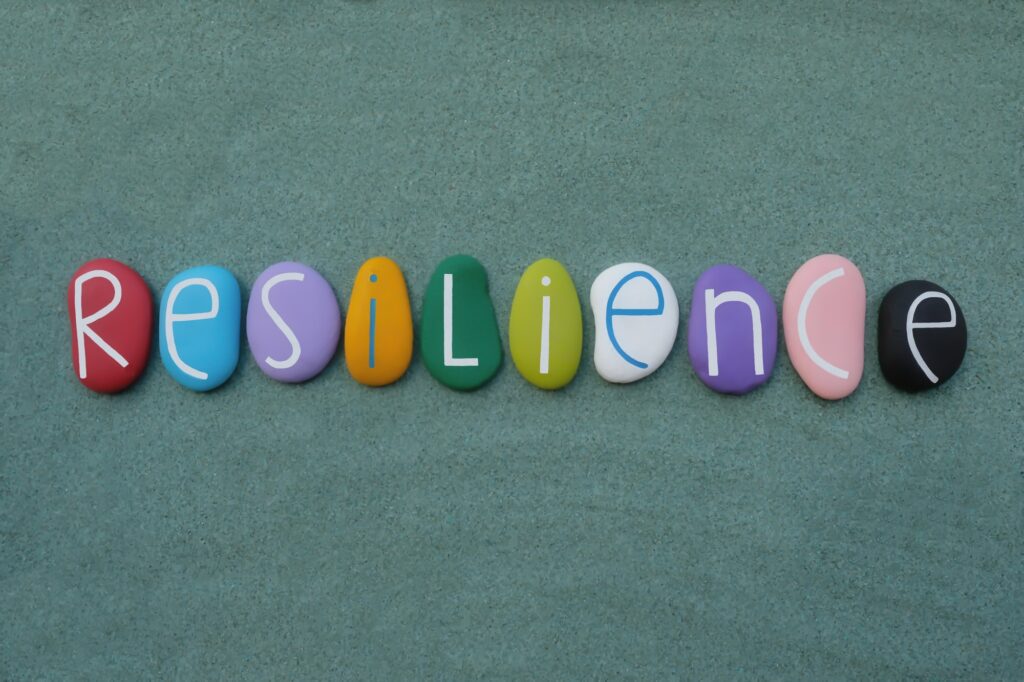
Life is filled with unexpected challenges, setbacks, and moments of uncertainty. From personal struggles to professional difficulties, resilience is the key to navigating life’s ups and downs. But what does it truly mean to be resilient? And how can we develop this essential skill? Resilience is not about avoiding hardship—it’s about adapting, growing, and emerging stronger from life’s challenges. It is the ability to recover from difficulties, regulate emotions, and maintain a sense of well-being even when faced with adversity. In this blog post, we’ll explore the science behind resilience, why it matters, and practical ways to build emotional strength that helps us thrive. What is resilience? Resilience is the ability to bounce back from stress, trauma, and setbacks. It doesn’t mean we don’t experience pain or struggle—it means we can cope with challenges in a healthy way and continue to move forward. Psychologist Dr. Ann Masten refers to resilience as “ordinary magic”, meaning it is a natural human capacity that can be nurtured and strengthened over time. It’s not a trait that some people have and others don’t—it’s a skill that can be developed at any stage of life. The importance of resilience Resilience plays a vital role in our mental, emotional, and even physical well-being. It helps us: Cope with stress and uncertainty – Life is unpredictable, but resilience helps us manage the unknown with confidence. Build emotional strength – Instead of feeling overwhelmed by challenges, resilient individuals can process emotions and adapt. Maintain positive relationships – Resilience allows us to communicate effectively, set boundaries, and navigate conflicts. Develop problem-solving skills – When obstacles arise, a resilient mindset encourages creative solutions rather than avoidance. Improve mental and physical health – Studies show that resilience is linked to lower stress levels, reduced anxiety, and better overall health. How to build resilience The good news is that resilience is not something you either have or don’t have—it is a skill that can be practiced and strengthened. Here are some ways to build emotional resilience in everyday life: Shift your perspective One of the most powerful ways to build resilience is by reframing challenges. Instead of seeing difficulties as insurmountable obstacles, try viewing them as opportunities for growth. Ask yourself: What can I learn from this situation? How can this challenge make me stronger? What skills or coping mechanisms can I develop through this experience? Strengthen emotional regulation Resilient individuals know how to manage emotions rather than being controlled by them. Developing emotional awareness and healthy coping strategies can prevent stress from becoming overwhelming. Try this: Practice mindfulness – Stay present in the moment rather than dwelling on past mistakes or future worries. Use deep breathing techniques – Slowing your breath can help regulate stress and anxiety. Express your emotions healthily – Journaling, talking to a friend, or seeking therapy can help process feelings effectively. Build a strong support system We are not meant to go through life alone. Having a strong network of supportive family members, friends, mentors, or therapists can help us navigate difficulties. Ways to cultivate support: Reach out to trusted people – Don’t be afraid to ask for help or share your struggles. Join a support group – Connecting with others who understand can provide comfort and guidance. Strengthen existing relationships – Spend time with those who uplift and encourage you. Develop healthy coping mechanisms Some coping strategies can be harmful (such as avoiding problems, excessive screen time, or unhealthy eating habits). Resilient individuals replace these with positive coping mechanisms that help them feel more in control. Healthy coping strategies include: Exercise – Movement releases endorphins, which boost mood and reduce stress. Creative outlets – Art, music, or writing can be powerful ways to process emotions. Setting boundaries – Saying no when needed can protect mental well-being. Embrace change and uncertainty Resilience is about adapting to change rather than resisting it. Life rarely goes exactly as planned, but learning to accept uncertainty can reduce stress and increase emotional flexibility. Mindset shift: Instead of fearing change, see it as an opportunity for new experiences. Remember that even the hardest seasons eventually pass. Focus on what you can control instead of worrying about what you can’t. Building resilience in children and teens Resilience is a skill that can be nurtured from an early age. Helping children develop resilience sets them up for emotional strength, confidence, and adaptability throughout life. Ways to foster resilience in kids and teens: Encourage problem-solving – Let them work through challenges rather than fixing everything for them. Validate emotions – Teach them that all feelings are okay, and help them express emotions in a healthy way. Model resilience – Kids learn by example, so show them how you handle setbacks with a positive, growth-focused mindset. Resilience isn’t about avoiding challenges—it’s about facing them with strength, adaptability, and self-compassion. Whether you are experiencing a personal setback, a professional hurdle, or an emotional challenge, remember: You are stronger than you think. You are capable of overcoming difficulties. You have the power to grow, heal, and thrive. The path to resilience is not about being perfect—it’s about continuing to move forward, even when the journey is difficult. If you need support in building resilience or navigating challenges, we’re here to help. Get in touch at 079 541 1621 to book a session. References: American Psychological Association. (2020). Building your resilience. Retrieved from https://www.apa.org/topics/resilience Masten, A. S. (2014). Ordinary Magic: Resilience in Development. Guilford Press. wikipedia.org Southwick, S. M., & Charney, D. S. (2012). Resilience: The Science of Mastering Life’s Greatest Challenges. Cambridge University Press. Compas, B. E., Jaser, S. S., Dunn, M. J., & Rodriguez, E. M. (2012). Coping with chronic illness in childhood and adolescence. Annual Review of Clinical Psychology, 8, 455-480. Gross, J. J. (2015). Emotion regulation: Current status and future prospects. Psychological Inquiry, 26(1), 1-26. Werner, E. E., & Smith, R. S. (2001). Journeys from Childhood to Midlife: Risk, Resilience, and Recovery. Cornell University Press.
Treating mental health through gut health

The phrase “trust your gut” is more than a metaphor—it reflects the deep connection between the gut and the brain. Known as the gut-brain axis, this two-way communication system highlights how the health of your digestive system influences emotions, stress levels, and even mental health conditions like anxiety and depression. By focusing on gut health, we can uncover new pathways to improved mental well-being. Understanding the gut-brain axis Think of the gut-brain axis as a symphony orchestra where every instrument plays a critical role. When one section is out of tune—whether due to poor diet, illness, or stress—the entire melody of well-being can become disjointed. This connection is mediated through the vagus nerve, hormones, and neurotransmitters, forming a communication network that links your gut and brain. A balanced gut microbiome, the ecosystem of bacteria and microorganisms in the digestive system, supports this harmony. Disruptions in the microbiome can trigger inflammation, which research shows is linked to mood disorders such as anxiety and depression (Cryan & Dinan, 2012; Foster & McVey Neufeld, 2013). How gut health impacts mental well-being The influence of gut health on mental health is profound and multifaceted. Here are key ways the gut-brain connection supports emotional resilience: Neurotransmitter productionUp to 95% of the body’s serotonin, often called the “happy hormone,” is produced in the gut. Serotonin regulates mood, sleep, and appetite, and disruptions in gut health can hinder its production, leading to imbalances (Cryan & Dinan, 2012). Stress response regulationChronic stress negatively affects the gut lining, allowing harmful substances to enter the bloodstream and exacerbating stress responses. This cycle can heighten anxiety and mood disorders (Chrousos, 2009). Immune system balanceThe gut houses 70% of the body’s immune system. A healthy gut reduces inflammation, which is a major contributor to mental health challenges like depression (Foster & McVey Neufeld, 2013). Practical strategies for supporting gut and mental health Incorporating gut-friendly practices into your daily routine can significantly improve mental well-being. Here is how you can get started: Incorporate probiotic and prebiotic FoodsAdd fermented foods like yogurt, kimchi, or South African amasi, along with prebiotic-rich foods such as bananas, garlic, and onions, to promote a healthy microbiome. Adopt a balanced dietFocus on fibre-rich fruits, vegetables, whole grains, and lean proteins to nourish both body and mind. Locally available options, such as sorghum and lentils, can provide affordable and nutritious solutions. Practice mindfulness and stress managementMeditation, yoga, and mindfulness can lower cortisol levels and support gut health. Consider incorporating breathing exercises into your daily routine. Stay activePhysical activity supports microbiome diversity and gut motility. Even a daily 20-minute walk can have a positive impact. Seek therapeutic supportCognitive-behavioural therapy (CBT) and mindfulness-based stress reduction can help address the psychological impacts of gut-related issues, offering holistic mental health support. At Dedri Hamman Educational Psychologist, we understand that mental health is multifaceted. While therapy addresses emotional and cognitive aspects, integrating gut health into your mental wellness journey provides a comprehensive approach to healing. Together, we can explore how gut-friendly practices complement therapeutic interventions to enhance resilience and overall well-being. References Cryan, J. F., & Dinan, T. G. (2012). Mind-altering microorganisms: the impact of the gut microbiota on brain and behaviour. Nature Reviews Neuroscience, 13(10), 701-712. Foster, J. A., & McVey Neufeld, K. A. (2013). Gut–brain axis: how the microbiome influences anxiety and depression. Trends in Neurosciences, 36(5), 305-312. Chrousos, G. P. (2009). Stress and disorders of the stress system. Nature Reviews Endocrinology, 5(7), 374-381. Mayer, E. A. (2011). Gut feelings: the emerging biology of gut–brain communication. Nature Reviews Neuroscience, 12(8), 453-466.
The transformative power of music in early childhood development

In the Western Cape of South Africa, caregivers have a powerful tool to foster bonds with their infants—music. From singing lullabies to dancing to traditional tunes, music serves as more than just a pastime; it enhances emotional, cognitive, and social development in young children. However, in an age of digital music, this tradition faces challenges. Here, we dive into the role of music in infant mental health, exploring why caregiver-directed music is so impactful and how technology may shape future musical engagement. The unique role of music in infant development Music’s role in child development extends well beyond entertainment. Research shows that musical activities like singing and rhythmic sounds can significantly influence an infant’s social, emotional, and cognitive growth. This effect stems from music’s ability to engage multiple senses, supporting infants’ understanding of rhythm, tone, and structure. In a 2018 study, Cirelli and Trehub observed that infants exposed to music demonstrated greater emotional regulation than those exposed only to speech. For example, infants who heard singing were more likely to engage in prosocial behaviours, such as helping others, compared to those exposed only to verbal interaction. How music enhances the caregiver-infant bond The interaction between music and attachment theory is particularly strong. Attachment theory suggests that a secure caregiver-infant relationship is foundational to an infant’s emotional development. Music, as a form of non-verbal communication, plays a vital role in strengthening this bond. Infant-directed singing—characterised by high-pitched, slower, and repetitive melodies—has been shown to resonate with infants on an emotional level. This type of music creates a shared emotional experience, reinforcing a sense of security and connection. Cevasco’s 2008 study demonstrated that even when physical contact was limited, as in a neonatal intensive care setting, music allowed caregivers to bond effectively with infants through song selection and interaction. In South Africa, music is a cultural mainstay, providing context and continuity. Traditional South African music, particularly in Venda culture, is deeply embedded in ceremonies and socialisation, making music a medium for instilling values and reinforcing familial bonds from an early age. This cultural layer enriches the impact of caregiver-directed music, adding a layer of identity and belonging. Technology’s impact on music in parenting While music’s role in bonding is time-honoured, modern technology introduces new dynamics. Digital music—whether streamed from YouTube or played through a mobile app—can enrich exposure but might risk reducing the caregiver’s direct role in musical interaction. Studies have indicated that electronically produced music may replace caregiver singing, potentially limiting the emotional engagement that live, caregiver-originated music fosters. Digital options provide convenience, but research warns against relying solely on recorded music. As de Vries (2009) notes, digital music often lacks the interactive elements that make live music so effective in emotional bonding and cognitive stimulation. When music is played without caregiver interaction, it may offer limited developmental benefits compared to direct caregiver-led singing and physical movement, like dancing. The importance of multilingual musical exposure In the multilingual society of South Africa, music provides a unique opportunity to expose infants to multiple languages early on, a practice that supports both cultural understanding and language development. In your study, caregivers often sang in more than one language, with a majority favouring English along with Afrikaans or isiXhosa. This not only fosters linguistic skills but also promotes cultural inclusivity, an invaluable asset in diverse communities like those in South Africa’s Western Cape. The advantages of bilingual musical exposure are considerable. Research shows that infants exposed to multiple languages through music may develop better language skills and cognitive flexibility later in life, as they learn to distinguish sounds from different languages. Overcoming challenges in musical parenting Though the benefits of music are well-documented, some caregivers face challenges. Many caregivers expressed concerns over their own musical abilities or struggled with finding child-appropriate music. Providing resources to guide musical engagement can empower caregivers, helping them feel more confident in using music to connect with their children. Educational programs focused on musical parenting can bridge this gap. By encouraging caregivers to incorporate music into daily routines, these programs can reinforce the understanding that it’s not the quality of singing that matters, but the emotional connection it creates. A return to music as bonding tool While technology can support exposure, the foundation of musical engagement should remain personal and culturally grounded. Music, particularly when it’s caregiver-led, serves as a timeless, culturally rich tool that reinforces bonds, aids development, and introduces children to their heritage. For caregivers in the Western Cape and beyond, singing and musical play with infants are valuable practices that foster secure attachments and lay the groundwork for well-rounded development. Music’s place in infant development is irreplaceable, not just for the benefits it provides to infants, but for the joy and connection it brings to caregivers. As one participant in your study put it, “A day without music would be very empty, as it assists me to bond with my child, focus his attention, and interact through play.”
Navigating Peer Pressure

Peer pressure is a natural part of growing up, especially during school years when friendships and social circles become central to children’s lives. For parents, helping children navigate peer pressure is essential to building their confidence, teaching them to make positive choices, and fostering resilience. This guide explores how to support your child through peer pressure, enabling them to develop the skills needed to stay true to themselves and make healthy decisions. Understanding peer pressure Peer pressure happens when individuals feel urged to alter their behaviour, values, or beliefs to align with the expectations of their peers. While peer pressure can encourage positive actions, such as excelling academically or participating in team sports, it can also lead to negative behaviours. Children who experience high levels of peer pressure often face increased stress and anxiety, which can impact their mental health and development. According to the American Psychological Association (APA), resilience is a critical factor in helping children manage peer pressure effectively. By fostering resilience, children are better equipped to cope with life’s challenges, make informed decisions, and maintain their self-esteem. Helping children navigate peer pressure Foster open communication Creating an environment where your child feels comfortable sharing their experiences is key. Regular, non-judgmental conversations about their day-to-day life, friends, and social challenges encourage your child to talk openly about peer pressure. Ask open-ended questions like, “What’s something interesting that happened at school today?” or “How did your friends react to that?” These questions invite conversation and let your child know that you are interested in their thoughts and feelings. Teach assertiveness skills Assertiveness skills empower children to say “no” confidently without feeling the need to conform. By learning to be assertive, children can express their opinions respectfully and stand by their choices. Role-play different scenarios where peer pressure might arise. Practising phrases like “No, I’m not comfortable with that” or “That’s not for me” can help them feel prepared to manage these situations. Build positive self-esteem A strong self-image can function as a buffer against peer pressure. The South African College of Applied Psychology (SACAP) highlights the importance of positive parenting in building children’s self-esteem, making them less susceptible to negative influences (SACAP, 2022). Regularly acknowledge your child’s strengths and accomplishments. Positive reinforcement of their individuality helps them develop a strong self-image, which is essential for resisting negative peer influences. Discuss various forms of peer pressure Peer pressure can take many forms, from direct encouragement to engage in risky behaviours to more subtle pressures, like wearing certain clothes or adopting popular attitudes. By discussing the different ways peer pressure appears, children can recognise it and make intentional choices. Use examples from books, movies, or your own experiences to illustrate different kinds of peer pressure. This helps children see that peer pressure is not always direct and teaches them to make mindful choices. Equip children with decision-making skills Teaching children how to evaluate choices helps them feel more in control when facing peer pressure. Children who understand how to weigh the pros and cons are more likely to make decisions aligned with their values. Encourage your child to make decisions in low-stakes situations, guiding them through the process. This builds their confidence in their ability to make thoughtful choices. Encourage positive friendships Friends who share similar values provide mutual support and can reduce the impact of negative peer pressure. According to a report by the Child Mind Institute, children are more likely to make positive choices when surrounded by peers who reinforce good behaviours (Child Mind Institute, n.d.). Get involved in your child’s social life by encouraging activities, sports, or clubs where they can meet peers with similar interests. This exposure to positive role models fosters supportive friendships. Modelling positive behaviour as a parent Parents have a considerable influence on their children’s behaviour. By modelling how to manage social pressures or complex situations, parents demonstrate resilience, assertiveness, and integrity. According to research by the Department of Basic Education, a strong family foundation and positive role models help children develop resilience, making them less likely to yield to negative peer pressure (DBE, 2021). In your own life, demonstrate respectful communication, healthy boundaries, and positive decision-making. When children see these behaviours, they learn practical strategies they can apply in their own lives. Sometimes, peer pressure can negatively affect a child’s mental health, self-esteem, or academic performance. If you notice concerning changes in your child’s mood, behaviour, or social interactions, consider seeking professional support. Educational psychologists can provide coping strategies, therapeutic support, and resources to help children navigate peer pressure in a healthy way. Navigating peer pressure is a gradual process, but with open communication, empathy, and practical tools, parents can empower their children to make confident, positive decisions. Every child has the potential to overcome challenges and thrive—sometimes, they just need the right support. References American Psychological Association. (n.d.). Resilience Guide for Parents & Teachers. Retrieved from https://www.apa.org/helpcenter/resilience Child Mind Institute. (n.d.). How to Help Kids Deal with Peer Pressure. Retrieved from https://childmind.org/article/how-to-help-kids-deal-with-peer-pressure/ South African College of Applied Psychology (SACAP). (2022). Why Positive Parenting is Important. Retrieved from https://www.sacap.edu.za/blog/psychology/positive-parenting Department of Basic Education. (2021). School Safety and Resilience. Retrieved from https://www.education.gov.za/
How positive parenting fosters emotional strength in children

Helping children develop emotional strength is essential. Positive parenting—a nurturing approach focused on guidance rather than punishment—plays a significant role in building resilience, self-esteem, and critical thinking skills in children. By creating a supportive environment, parents can empower their children to face challenges with confidence and emotional stability. Research from the World Health Organisation and studies conducted in South Africa have consistently highlighted the importance of early parental support in developing emotional resilience in children. This blog explores practical ways to implement positive parenting techniques that can shape children’s emotional strength and help them thrive. Why emotional strength matters Emotional strength is more than just staying calm in tricky situations; it is about having the inner resilience to navigate life’s difficulties. Children with strong emotional foundations tend to perform better academically, have healthier relationships, and are more adaptable to change. Emotional strength equips children with essential skills such as empathy, patience, and the ability to cope with stress, setting them up for long-term success. According to research by the South African Depression and Anxiety Group (SADAG), mental health support during early childhood is crucial for building resilience in children. Parents play a key role in helping children learn to manage their emotions and develop coping mechanisms that will serve them throughout life. Encourage open communication Listening to your child’s thoughts and feelings without judgement teaches them that their emotions are valid. Studies suggest that open communication helps children learn emotional self-regulation. Make it a habit to check in regularly and ask open-ended questions like, “How did you feel about that?” or “What would you do differently next time?” Tip: Create a safe space where your child feels comfortable discussing anything, even difficult topics. Teach critical thinking skills When children face a challenge, resist the urge to solve it for them. Instead, guide them through the process of finding a solution. Research published by UNICEF South Africa shows that critical thinking skills link to resilience and self-confidence in children. Tip: Allow your child to brainstorm solutions and think through the outcomes. This builds confidence in their ability to manage similar situations independently. Model positive behaviour Children learn by observing their parents. If they see you managing stress calmly and treating others with respect, they are more likely to adopt these behaviours. Modelling positive behaviour teaches children how to manage tricky situations effectively. Tip: Use phrases like, “It’s okay to feel frustrated, but let’s find a way to deal with it,” to demonstrate healthy coping mechanisms. Praise effort, not just results Focusing on the effort rather than the outcome helps children understand the value of persistence and hard work. Studies indicate that children who are praised for effort rather than inherent ability are more likely to take on new challenges without fear of failure. Tip: Celebrate small victories along the way, reinforcing that effort is just as important as achievement. Set consistent boundaries with empathy Positive parenting does not mean avoiding discipline; it means enforcing boundaries with empathy and understanding. Consistent, loving boundaries help children feel secure and understand the importance of respecting others. For example, if they break a rule, explain the consequences calmly and help them understand why it is important to follow it. Tip: Use phrases like, “I know you’re upset, but these rules are in place to keep you safe,” to maintain a compassionate yet firm approach. Encourage independence Giving children the freedom to make age-appropriate choices fosters independence and decision-making skills. Let them choose their outfit, decide what activities to pursue, or plan a family meal. Research indicates that fostering independence in children improves self-confidence and decision-making skills. Tip: Gradually give them more responsibilities and encourage them to make decisions, guiding them as they learn from each experience. The long-term impact of positive parenting Positive parenting does not just shape children’s behaviour; it shapes their mindset and emotional resilience. According to the Centre for Early Childhood Development in South Africa, children raised with positive parenting techniques tend to have higher self-esteem, greater emotional intelligence, and a stronger ability to cope with life’s challenges. These skills not only benefit them in childhood but will also impact their relationships, academic performance, and mental well-being as adults. The role of positive parenting in South Africa In South Africa, the focus on positive parenting has grown as mental health awareness becomes more prominent. Organisations like SADAG and UNICEF South Africa have emphasised that parental support and positive reinforcement play a vital role in child development. Children who grow up with positive parenting are less likely to experience behavioural issues and are better equipped to manage stress, bullying, and peer pressure. Would you like to learn more about fostering emotional resilience in your child? At Dedri Hamman Educational Psychologist, we offer guidance and resources to help parents support their children’s emotional development. Contact us today or visit our website to explore our services and discover how we can help your family. Recommended Reading For parents interested in deepening their understanding of positive parenting techniques, No-Drama Discipline: The Whole-Brain Way to Calm the Chaos and Nurture Your Child’s Developing Mind by Daniel J. Siegel and Tina Payne Bryson is a highly recommended resource. This book provides practical strategies that align with the principles of positive parenting, focusing on nurturing emotional resilience and building strong parent-child relationships. You can get a copy here. References World Health Organisation. (2021). Mental Health and Early Childhood Development. Retrieved from https://www.who.int/ SADAG (South African Depression and Anxiety Group). (2023). Building Resilience in Children. Retrieved from https://www.sadag.org/ UNICEF South Africa. (2022). Developing Problem-Solving Skills in Early Childhood. Retrieved from https://www.unicef.org/southafrica Centre for Early Childhood Development. (2021). The Impact of Positive Parenting on Child Development. Retrieved from https://www.cecd.org.za/
