
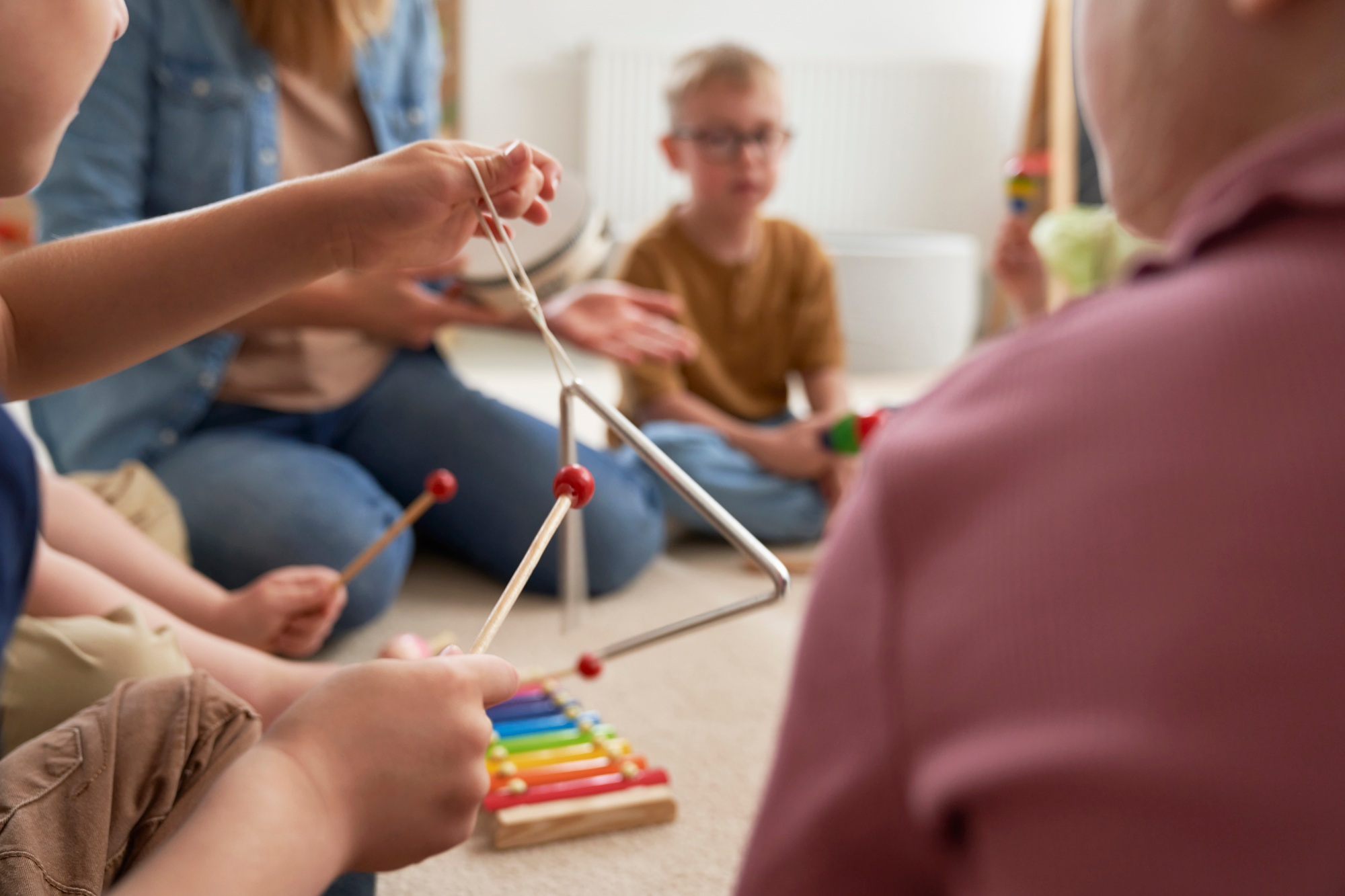
In the Western Cape of South Africa, caregivers have a powerful tool to foster bonds with their infants—music. From singing lullabies to dancing to traditional tunes, music serves as more than just a pastime; it enhances emotional, cognitive, and social development in young children. However, in an age of digital music, this tradition faces challenges. Here, we dive into the role of music in infant mental health, exploring why caregiver-directed music is so impactful and how technology may shape future musical engagement.
Music’s role in child development extends well beyond entertainment. Research shows that musical activities like singing and rhythmic sounds can significantly influence an infant’s social, emotional, and cognitive growth. This effect stems from music’s ability to engage multiple senses, supporting infants’ understanding of rhythm, tone, and structure.
In a 2018 study, Cirelli and Trehub observed that infants exposed to music demonstrated greater emotional regulation than those exposed only to speech. For example, infants who heard singing were more likely to engage in prosocial behaviours, such as helping others, compared to those exposed only to verbal interaction.
The interaction between music and attachment theory is particularly strong. Attachment theory suggests that a secure caregiver-infant relationship is foundational to an infant’s emotional development. Music, as a form of non-verbal communication, plays a vital role in strengthening this bond.
Infant-directed singing—characterised by high-pitched, slower, and repetitive melodies—has been shown to resonate with infants on an emotional level. This type of music creates a shared emotional experience, reinforcing a sense of security and connection. Cevasco’s 2008 study demonstrated that even when physical contact was limited, as in a neonatal intensive care setting, music allowed caregivers to bond effectively with infants through song selection and interaction.
In South Africa, music is a cultural mainstay, providing context and continuity. Traditional South African music, particularly in Venda culture, is deeply embedded in ceremonies and socialisation, making music a medium for instilling values and reinforcing familial bonds from an early age. This cultural layer enriches the impact of caregiver-directed music, adding a layer of identity and belonging.
While music’s role in bonding is time-honoured, modern technology introduces new dynamics. Digital music—whether streamed from YouTube or played through a mobile app—can enrich exposure but might risk reducing the caregiver’s direct role in musical interaction. Studies have indicated that electronically produced music may replace caregiver singing, potentially limiting the emotional engagement that live, caregiver-originated music fosters.
Digital options provide convenience, but research warns against relying solely on recorded music. As de Vries (2009) notes, digital music often lacks the interactive elements that make live music so effective in emotional bonding and cognitive stimulation. When music is played without caregiver interaction, it may offer limited developmental benefits compared to direct caregiver-led singing and physical movement, like dancing.
In the multilingual society of South Africa, music provides a unique opportunity to expose infants to multiple languages early on, a practice that supports both cultural understanding and language development. In your study, caregivers often sang in more than one language, with a majority favouring English along with Afrikaans or isiXhosa. This not only fosters linguistic skills but also promotes cultural inclusivity, an invaluable asset in diverse communities like those in South Africa’s Western Cape.
The advantages of bilingual musical exposure are considerable. Research shows that infants exposed to multiple languages through music may develop better language skills and cognitive flexibility later in life, as they learn to distinguish sounds from different languages.
Though the benefits of music are well-documented, some caregivers face challenges. Many caregivers expressed concerns over their own musical abilities or struggled with finding child-appropriate music. Providing resources to guide musical engagement can empower caregivers, helping them feel more confident in using music to connect with their children.
Educational programs focused on musical parenting can bridge this gap. By encouraging caregivers to incorporate music into daily routines, these programs can reinforce the understanding that it’s not the quality of singing that matters, but the emotional connection it creates.
While technology can support exposure, the foundation of musical engagement should remain personal and culturally grounded. Music, particularly when it’s caregiver-led, serves as a timeless, culturally rich tool that reinforces bonds, aids development, and introduces children to their heritage. For caregivers in the Western Cape and beyond, singing and musical play with infants are valuable practices that foster secure attachments and lay the groundwork for well-rounded development.
Music’s place in infant development is irreplaceable, not just for the benefits it provides to infants, but for the joy and connection it brings to caregivers. As one participant in your study put it, “A day without music would be very empty, as it assists me to bond with my child, focus his attention, and interact through play.”
Copyright © 2026 Edpsych Education | Dedri Hamman Educational Psychologist
BA Music (UP), PGCE (Unisa), BEd Hons (Wits), MEd Educational Psychology (US), MPhil Infant Mental Health (US)
Designed by JenileePR
