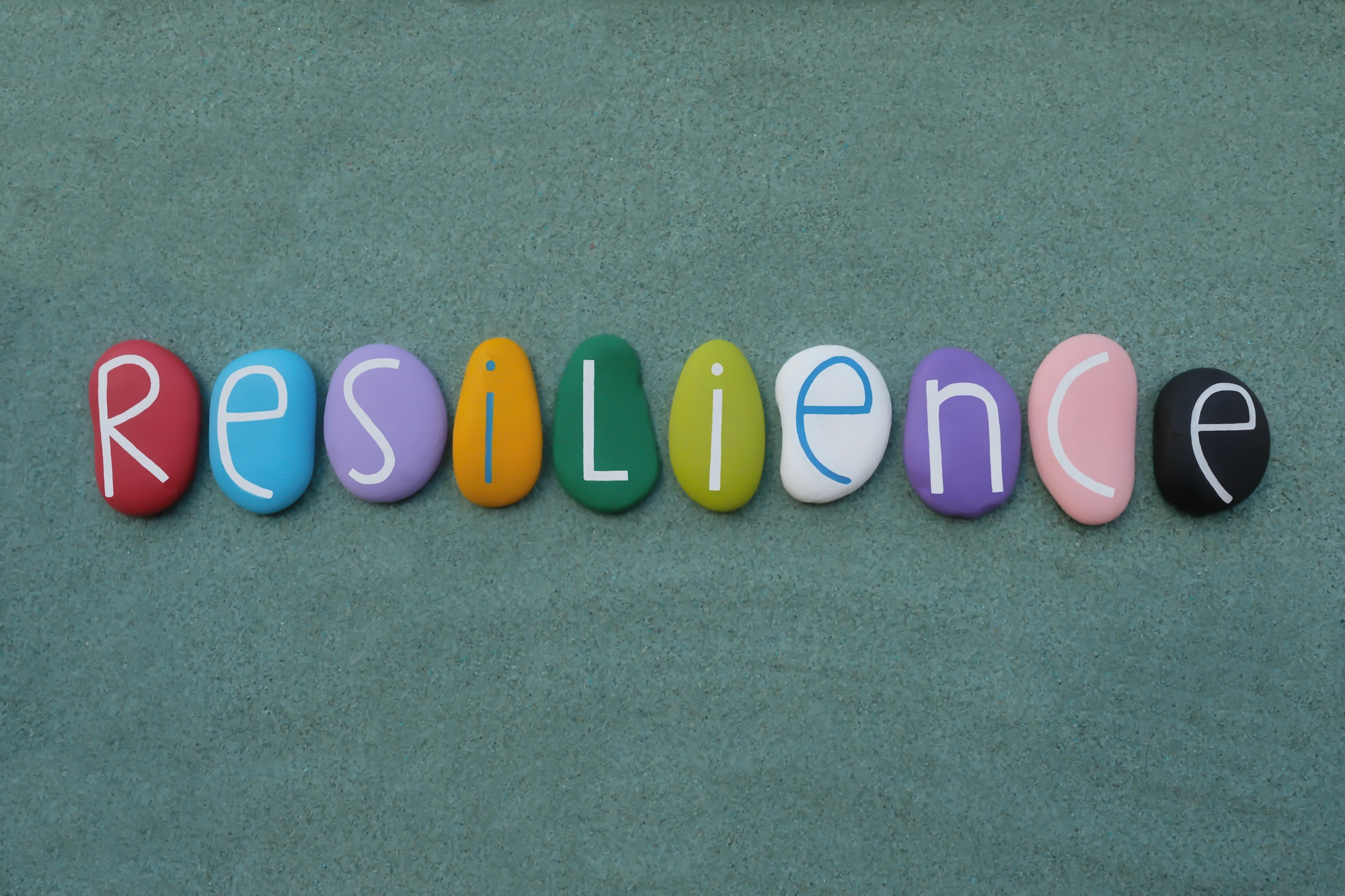
The secret to thriving through life’s challenges

Life is filled with unexpected challenges, setbacks, and moments of uncertainty. From personal struggles to professional difficulties, resilience is the key to navigating life’s ups and downs. But what does it truly mean to be resilient? And how can we develop this essential skill?

Resilience is not about avoiding hardship—it’s about adapting, growing, and emerging stronger from life’s challenges. It is the ability to recover from difficulties, regulate emotions, and maintain a sense of well-being even when faced with adversity.

In this blog post, we’ll explore the science behind resilience, why it matters, and practical ways to build emotional strength that helps us thrive.

What is resilience?

Resilience is the ability to bounce back from stress, trauma, and setbacks. It doesn’t mean we don’t experience pain or struggle—it means we can cope with challenges in a healthy way and continue to move forward.

Psychologist Dr. Ann Masten refers to resilience as “ordinary magic”, meaning it is a natural human capacity that can be nurtured and strengthened over time. It’s not a trait that some people have and others don’t—it’s a skill that can be developed at any stage of life.

The importance of resilience

Resilience plays a vital role in our mental, emotional, and even physical well-being. It helps us:

  • Cope with stress and uncertainty – Life is unpredictable, but resilience helps us manage the unknown with confidence.
  • Build emotional strength – Instead of feeling overwhelmed by challenges, resilient individuals can process emotions and adapt.
  • Maintain positive relationships – Resilience allows us to communicate effectively, set boundaries, and navigate conflicts.
  • Develop problem-solving skills – When obstacles arise, a resilient mindset encourages creative solutions rather than avoidance.
  • Improve mental and physical health – Studies show that resilience is linked to lower stress levels, reduced anxiety, and better overall health.
How to build resilience

The good news is that resilience is not something you either have or don’t have—it is a skill that can be practiced and strengthened. Here are some ways to build emotional resilience in everyday life:

Shift your perspective

One of the most powerful ways to build resilience is by reframing challenges. Instead of seeing difficulties as insurmountable obstacles, try viewing them as opportunities for growth.

Ask yourself:
  • What can I learn from this situation?
  • How can this challenge make me stronger?
  • What skills or coping mechanisms can I develop through this experience?
Strengthen emotional regulation

Resilient individuals know how to manage emotions rather than being controlled by them. Developing emotional awareness and healthy coping strategies can prevent stress from becoming overwhelming.

Try this:
  • Practice mindfulness – Stay present in the moment rather than dwelling on past mistakes or future worries.
  • Use deep breathing techniques – Slowing your breath can help regulate stress and anxiety.
  • Express your emotions healthily – Journaling, talking to a friend, or seeking therapy can help process feelings effectively.
Build a strong support system

We are not meant to go through life alone. Having a strong network of supportive family members, friends, mentors, or therapists can help us navigate difficulties.

Ways to cultivate support:
  • Reach out to trusted people – Don’t be afraid to ask for help or share your struggles.
  • Join a support group – Connecting with others who understand can provide comfort and guidance.
  • Strengthen existing relationships – Spend time with those who uplift and encourage you.
Develop healthy coping mechanisms

Some coping strategies can be harmful (such as avoiding problems, excessive screen time, or unhealthy eating habits). Resilient individuals replace these with positive coping mechanisms that help them feel more in control.

Healthy coping strategies include:
  • Exercise – Movement releases endorphins, which boost mood and reduce stress.
  • Creative outlets – Art, music, or writing can be powerful ways to process emotions.
  • Setting boundaries – Saying no when needed can protect mental well-being.
Embrace change and uncertainty

Resilience is about adapting to change rather than resisting it. Life rarely goes exactly as planned, but learning to accept uncertainty can reduce stress and increase emotional flexibility.

Mindset shift:
  • Instead of fearing change, see it as an opportunity for new experiences.
  • Remember that even the hardest seasons eventually pass.
  • Focus on what you can control instead of worrying about what you can’t.
Building resilience in children and teens

Resilience is a skill that can be nurtured from an early age. Helping children develop resilience sets them up for emotional strength, confidence, and adaptability throughout life.

Ways to foster resilience in kids and teens:
  • Encourage problem-solving – Let them work through challenges rather than fixing everything for them.
  • Validate emotions – Teach them that all feelings are okay, and help them express emotions in a healthy way.
  • Model resilience – Kids learn by example, so show them how you handle setbacks with a positive, growth-focused mindset.


Resilience isn’t about avoiding challenges—it’s about facing them with strength, adaptability, and self-compassion. Whether you are experiencing a personal setback, a professional hurdle, or an emotional challenge, remember:

  • You are stronger than you think.
  • You are capable of overcoming difficulties.
  • You have the power to grow, heal, and thrive.


The path to resilience is not about being perfect—it’s about continuing to move forward, even when the journey is difficult.

If you need support in building resilience or navigating challenges, we’re here to help. Get in touch at 079 541 1621 to book a session.

References:

  • American Psychological Association. (2020). Building your resilience. Retrieved from https://www.apa.org/topics/resilience
  • Masten, A. S. (2014). Ordinary Magic: Resilience in Development. Guilford Press. ​wikipedia.org
  • Southwick, S. M., & Charney, D. S. (2012). Resilience: The Science of Mastering Life’s Greatest Challenges. Cambridge University Press.​
  • Compas, B. E., Jaser, S. S., Dunn, M. J., & Rodriguez, E. M. (2012). Coping with chronic illness in childhood and adolescence. Annual Review of Clinical Psychology, 8, 455-480.​
  • Gross, J. J. (2015). Emotion regulation: Current status and future prospects. Psychological Inquiry, 26(1), 1-26.​
  • Werner, E. E., & Smith, R. S. (2001). Journeys from Childhood to Midlife: Risk, Resilience, and Recovery. Cornell University Press.